
How to Align In-House and External Developers
Stop treating contractors like second-class coders: Here is how to align internal and augmented engineers into a unified software delivery engine.
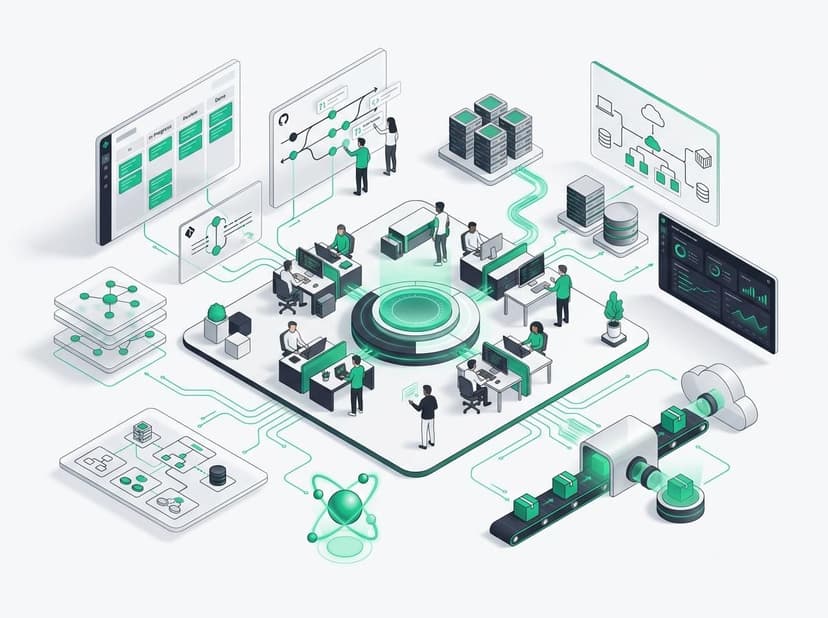
Managing a hybrid engineering team fails when external developers are treated as "second-class citizens" or code monkeys. To align internal and external engineers, a CTO must build a unified engineering culture centered around equal access to information, objective code reviews, standardized tooling, and clear communication boundaries that frame external talent as an empowering resource, not an internal threat.
When an organization introduces external software engineers from an IT staff augmentation partner, internal dynamics shift. If managed incorrectly, invisible barriers can emerge. Internal developers might fear for their job security, look down on contractor code quality, or silo information in private Slack channels. On the flip side, external developers can feel alienated, leading to a drop in motivation and alignment.
To build a high-velocity engineering engine, you must cultivate a "One-Team" ethos. External staff should blend seamlessly into your existing agile mechanisms, matching your velocity and adopting your standards. Here is your operational blueprint for hybrid team alignment.
1. Eliminate the Information Asymmetry
The fastest way to break a hybrid team is to restrict information. If external developers are left guessing about architectural shifts, product requirements, or changing priorities because decisions are happening in undocumented internal meetings, their efficiency will plummet.
- Centralized Documentation: Enforce a strict policy where if a technical decision isn't written down in Confluence, Notion, or an architectural decision log (ADR), it doesn't exist.
- Public Slack/Teams Communication: Move project discussions out of private DMs and into public, project-specific channels where both internal and external engineers have equal visibility and context.
2. Equalize the Code Review Process
Technical alignment happens inside the repository, not the breakroom. There must be absolutely zero disparity between how an internal developer’s pull request is reviewed versus an external contractor's PR.
- Automated Governance: Let machines handle the arguments. Use automated linters, static code analysis (e.g., SonarQube), and strict CI/CD pipelines to enforce code style and test coverage uniformly across everyone.
- Bi-Directional Code Reviews: Encourage external senior engineers to review the code written by your internal team. This establishes mutual technical respect and accelerates cross-pollination of best practices.
3. The Hybrid Team Alignment Framework
- Task Allocation: Anti-Pattern (What Destroys Teams) is Giving external developers only boring, repetitive maintenance tasks; Best Practice (What Aligns Teams) is Integrating contractors into core sprint features alongside internal staff.
- Communication: Anti-Pattern (What Destroys Teams) is Siloing discussions in private internal chats or office hallways; Best Practice (What Aligns Teams) is Making all project-related decisions transparent via public channels/Jira.
- Culture & Meetings: Anti-Pattern (What Destroys Teams) is Excluding contractors from daily standups, retrospectives, or sprint demos; Best Practice (What Aligns Teams) is Inviting augmented staff to all core agile rituals as equal contributors.
- Feedback Loop: Anti-Pattern (What Destroys Teams) is Waiting for month-end invoices to address low performance; Best Practice (What Aligns Teams) is Providing immediate, constructive technical feedback during code reviews.
Conclusion: One Team, One Pipeline
A hybrid tech team shouldn't feel like two distinct factions working under the same flag; it should operate as a singular, cohesive unit focused on maximizing sprint velocity and building exceptional software. When you treat external engineers with the same respect, transparency, and high technical expectations as your internal staff, you build a powerful culture of accountability and execution.
At Logamic, our software specialists don’t just write code—they adapt deeply to your company’s internal engineering culture, agile workflows, and communication pipelines. Let us help you scale your team harmoniously. Reach out today.
Related articles
April 12, 2026
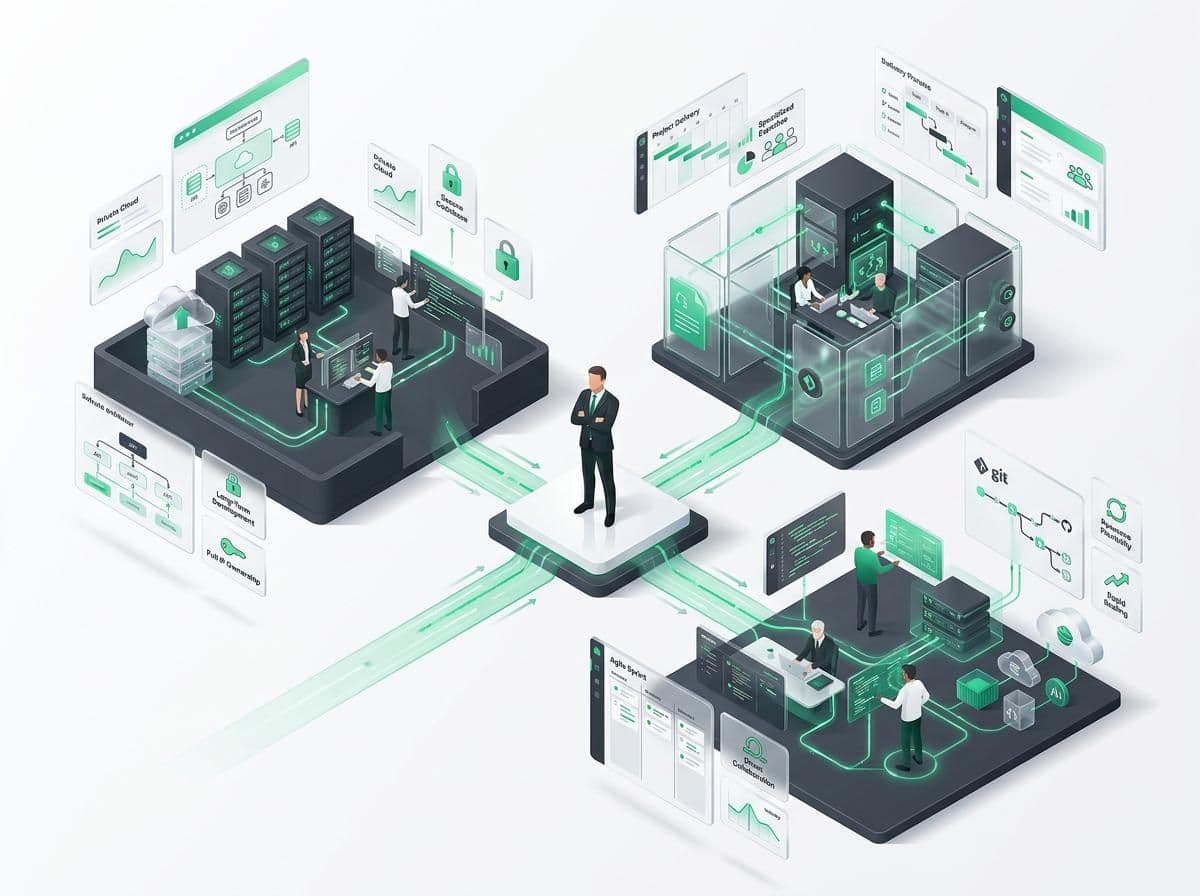
The CTO’s Guide to IT Sourcing Models
A practical guide for CTOs comparing In-House Hiring, Agencies, and IT Staff Augmentation to help engineering leaders choose the best model for scaling their tech teams efficiently.
April 12, 2026
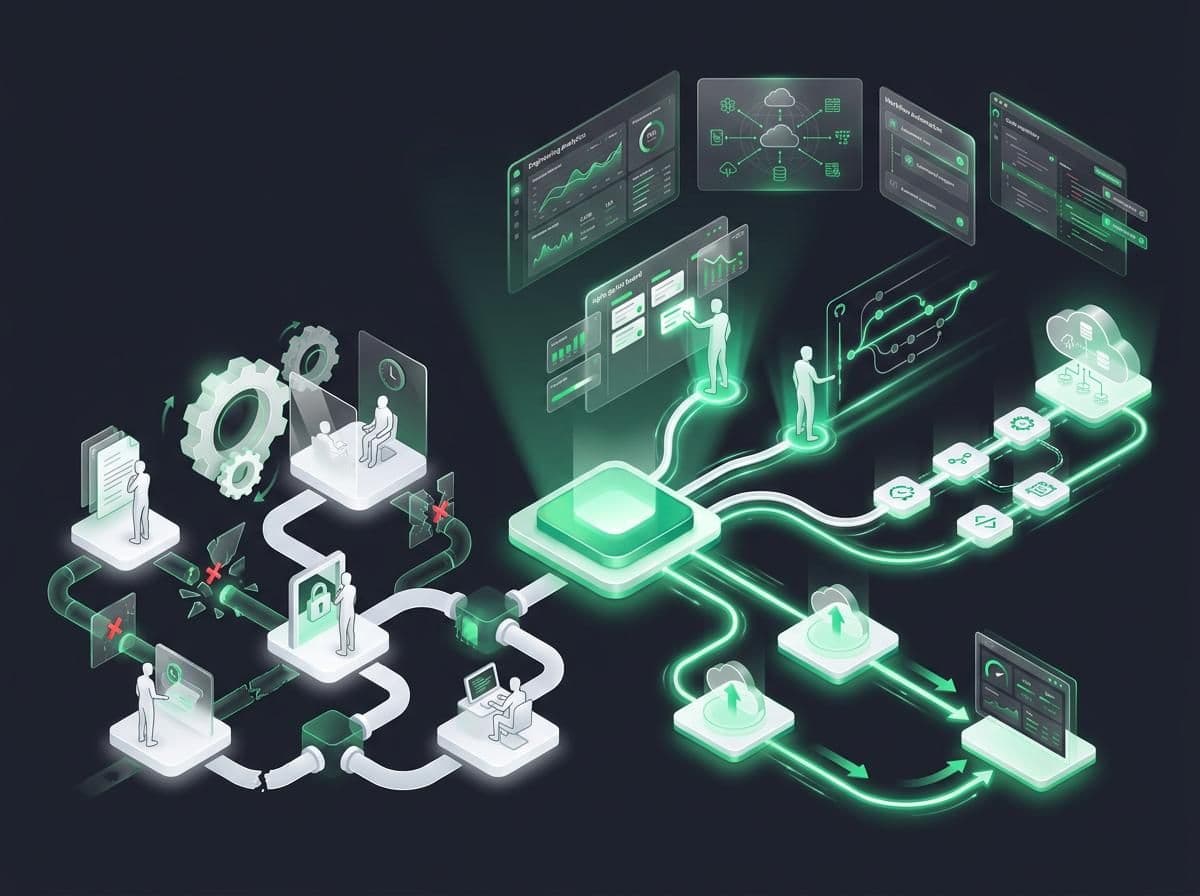
Speed-to-Deploy: Hire IT Talent in 72 Hours
Discover how deploying senior engineers within 72 hours eliminates recruitment lag, protects sprint velocity, and gives tech leaders a decisive competitive advantage.
April 12, 2026
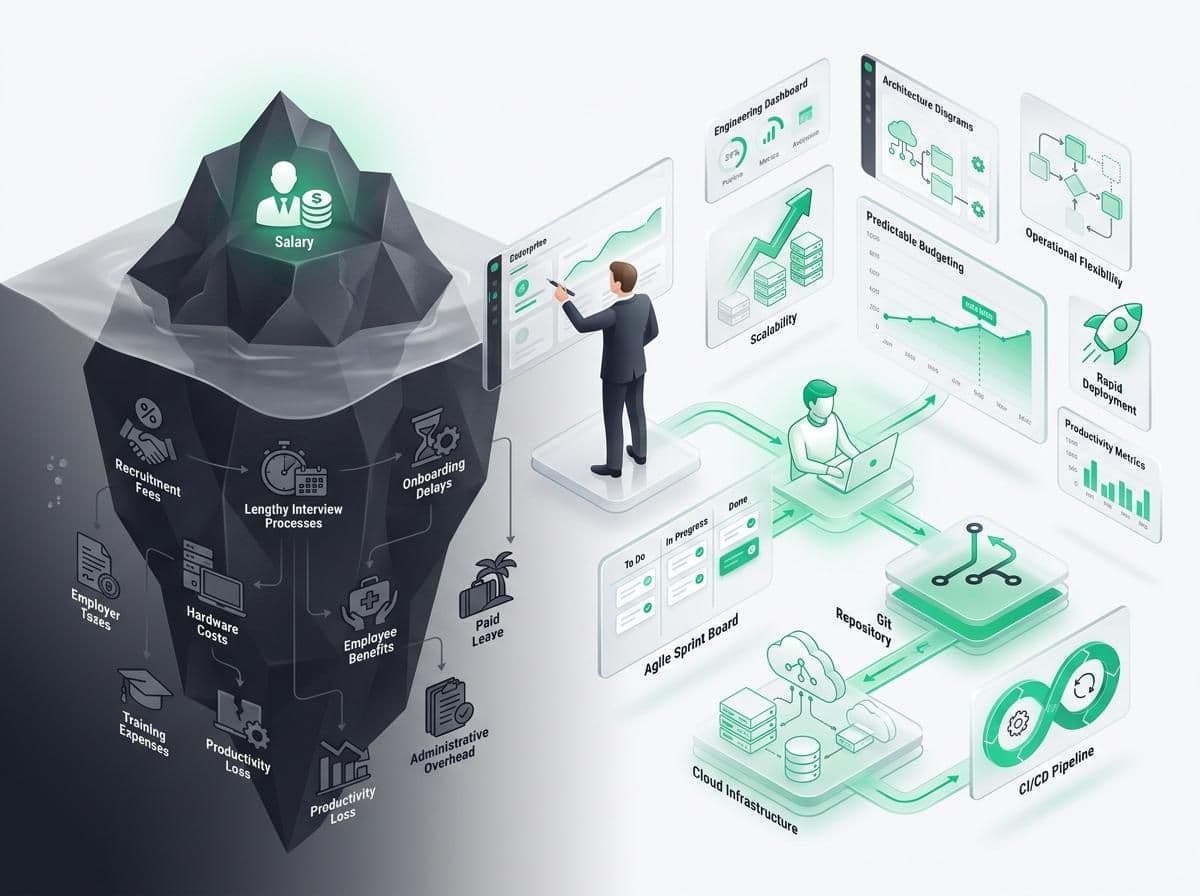
Why Traditional IT Recruitment Is More Expensive Than It Looks
An eye-opening financial breakdown showing CEOs and CFOs why traditional IT recruitment costs far more than base salaries and how staff augmentation eliminates hidden hiring overhead.